


The Eye Donation Process
Almost anyone can give the gift of sight through eye donation after they’ve passed—even those who wore glasses, used prescription eye drops, or had previous eye surgeries.
Donated eye tissue may be used to restore sight through transplant, to develop new therapies for blinding eye diseases through medical research, or to train future eye surgeons and technicians to provide the best care to their patients.
When someone becomes an eye donor, our Donor Services Team works closely with the hospital and a knowledgeable family member or friend to ensure the donation is possible.
Donors must meet certain medical criteria, like being free from conditions that could affect the safety of the donated tissue.
When a person chooses to become an eye donor, we treat their gift with the highest respect and care.
A trained recovery technician gently removes the cornea—the clear, outer “window” of the eye—so that it may one day help restore sight for someone in need.
The tissue is then placed in a special solution that nourishes and preserves it until it is ready to be used.
Before a cornea can be offered for transplant, our team carefully reviews the donor’s medical history to ensure the safety of the gift.
This process may include reviewing hospital records, speaking with family members, and evaluating infectious disease testing.
Every step is taken with great care, attention to detail, and the utmost respect for the donor and their family.
Our goal is to honor this generous gift by making sure it is safe and ready to bring hope and healing to someone in need.
Once the cornea is approved, it is offered to a surgeon for their patient.
When accepted, the cornea may undergo additional preparation, depending on the type of surgery the recipient needs.
There is no substitute for human eye tissue in the search for cures through research.
Thanks to the generosity of donors and their families, researchers can study the eye in ways that lead to better treatments—and one day, lasting cures—for blinding eye diseases.
We work with trusted research partners across the country and around the world to advance therapies and cures.
Every donation helps move us closer to a future where blindness is a thing of the past.
Your loved one’s gift is part of that future, and we are deeply grateful.
Donated eye tissue also plays an essential role in educating and training the next generation of medical professionals.
Surgeons use it to practice new and advanced techniques, recovery technicians train with it to learn how to carefully recover corneal tissue, and medical students use it to develop the skills they’ll need to perform delicate procedures—like corneal transplants—on future patients.
These opportunities for hands-on learning have a direct impact on patients receiving the safest, most effective care possible, both now and in the future.
Your loved one’s gift has a positive impact on countless patients who receive better care because of the training they received.
Donor & Recipient Connections
Eye tissue donation can create meaningful connections that bring healing and peace. At Precision Ocular Network, we support and facilitate correspondence between donor families and recipients.
All correspondence is anonymous, and privacy is carefully protected. For questions, contact our Family Services Team at aftercare@precisionocular.org.
If your loved one’s eye tissue was used for transplant, you may wish to reach out to their recipient or recipients. The decision to write to your loved one’s recipient(s) is very personal, and Precision Ocular Network is here to support you.
Your Letter
Begin your letter with “Dear Recipient,”
Include details about your loved one, such as:
- Their personality and what was special about them
- Their job or career
- Hobbies and pets
- Special talents
- Memories that are special to you
- Information about your family
- You may include pictures if you wish, but this is not required
- Use first names only. Please do not share your loved one’s full name or your full name in your letter
- Please do not include your city, address, or any specific information about your location in your letter
When signing your letter:
- Include your first name only
- Please do not include your phone number, email address, or any other contact information
With your letter, please include:
- On a separate sheet of paper, include your loved one’s full name and the date of their passing. This helps us accurately identify your loved one’s recipient(s). This page will not be sent to the recipient.
Mail to:
Precision Ocular Network
Attn: Correspondence Manager
500 Robert Jemison Road
Birmingham, AL 35209
You may or may not receive a response. Some recipients are unable to reply or may have difficulty replying because they experience a certain level of guilt. They recognize that you and your family experienced a loss for them to regain their eyesight. Some are overwhelmed with gratitude, and a letter from you can help add to their story. Thank you for communicating in a sensitive way.
Begin your letter with “Dear Donor Family,”
Include details about yourself, such as:
- Your first name
- Your family
- Your job or career
- Hobbies and pets
- Special talents
- Explain how your vision and your life have changed since your transplant
- You may include pictures if you wish, but this is not required
- Use first names only. Please do not share your full name in your letter
- Please do not include your city, address, or any specific information about your location in your letter
When signing your letter:
- Include your first name only
- Please do not include your phone number, email address, or any other contact information
Please include this information with your letter:
- On a separate sheet of paper, include your full name, date of your transplant, and the name of your surgeon. This information helps us accurately identify your donor’s family and will not be shared with anyone
Mail to:
Precision Ocular Network
Attn: Correspondence Manager
500 Robert Jemison Road
Birmingham, AL 35209
In most cases, donor families are grateful for these letters. However, they can still find it difficult to respond. Please do not be discouraged if it takes a while or if you do not hear back from the family. Be assured that your thoughtfulness is appreciated.
Stories of Impact
Greg McPhearson and Angel Higdon were high school sweethearts at Shades Valley High School in Birmingham, Alabama. They married in…
Greg McPhearson and Angel Higdon were high school sweethearts at Shades Valley High School in Birmingham, Alabama. They married in their early twenties and went on to have four children—Caroline, Ellie, John, and Adam. Together, they built a beautiful life, raising their children, spending time with family and friends, and being active in their community […]

Danny Rivers’ life has been rooted in his faith. He grew up in a church he loved and continued to…
Danny Rivers’ life has been rooted in his faith. He grew up in a church he loved and continued to pursue his own spiritual journey throughout his life. His faith was tested, however, in 1994, when Danny was diagnosed with keratoconus during a routine eye doctor visit. He was only 18. Keratoconus is an eye […]
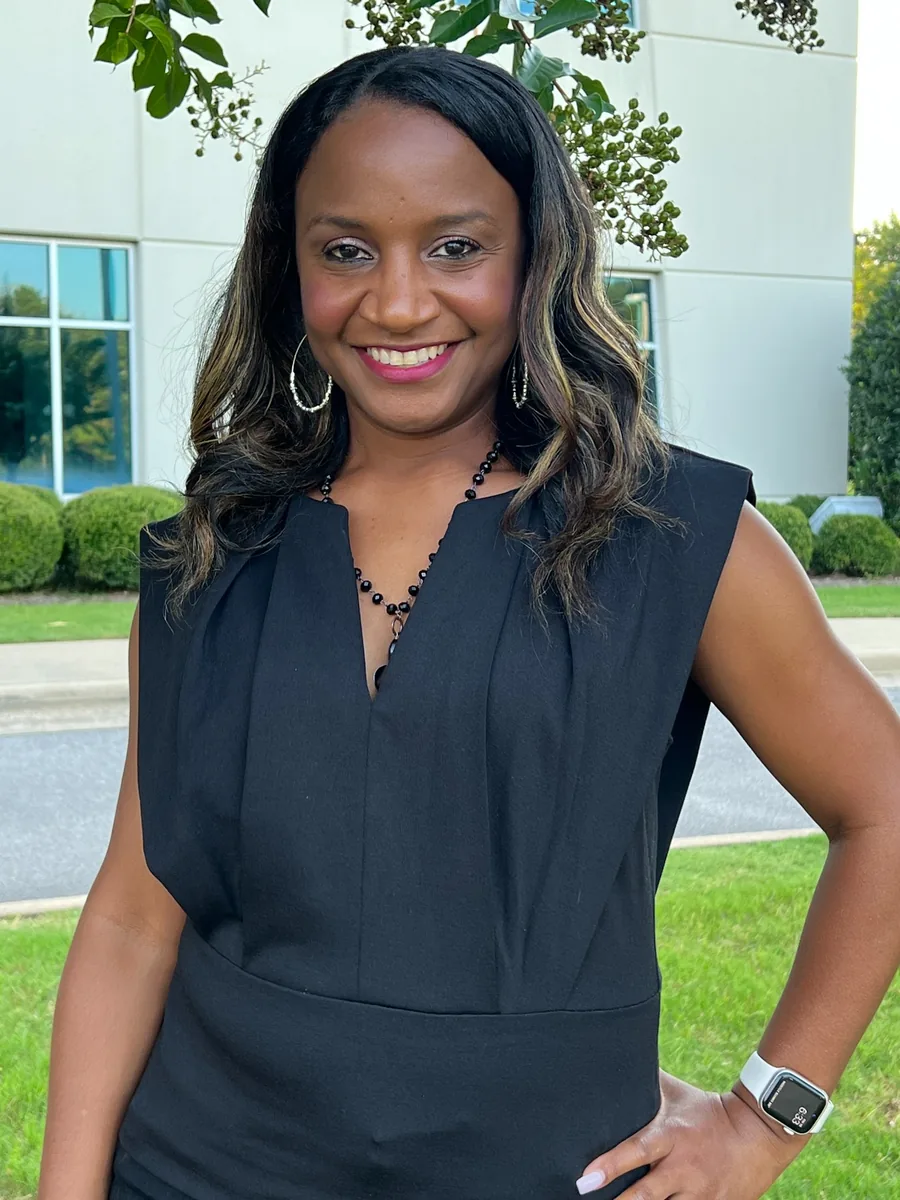
From the moment you meet Nikara McNeely, you are struck by her beautiful smile and personable spirit. A wife and…
From the moment you meet Nikara McNeely, you are struck by her beautiful smile and personable spirit. A wife and mother of two, Nikara also has a career she is deservedly proud of. She works for the Department of Homeland Security as a Legal Administrative Specialist after spending more than a decade with the Drug […]
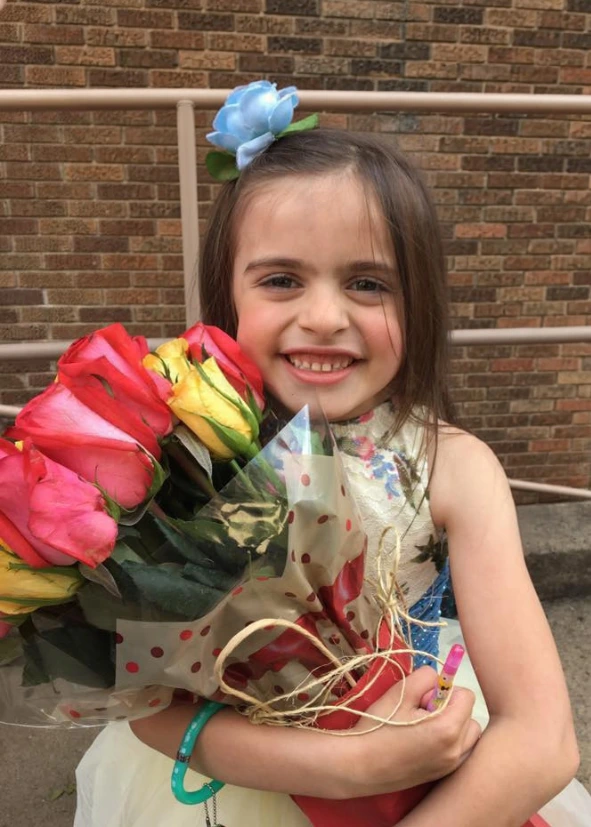
Emily Beyea was only 10 years old when she passed away. However, during her 10 years of life, Emily managed…
Emily Beyea was only 10 years old when she passed away. However, during her 10 years of life, Emily managed to spread a lifetime of love, caring, joy and silliness throughout her world. “She was a sassy, outspoken, beautiful activist, who saw the world as it should be… and saw the best in people,” says […]
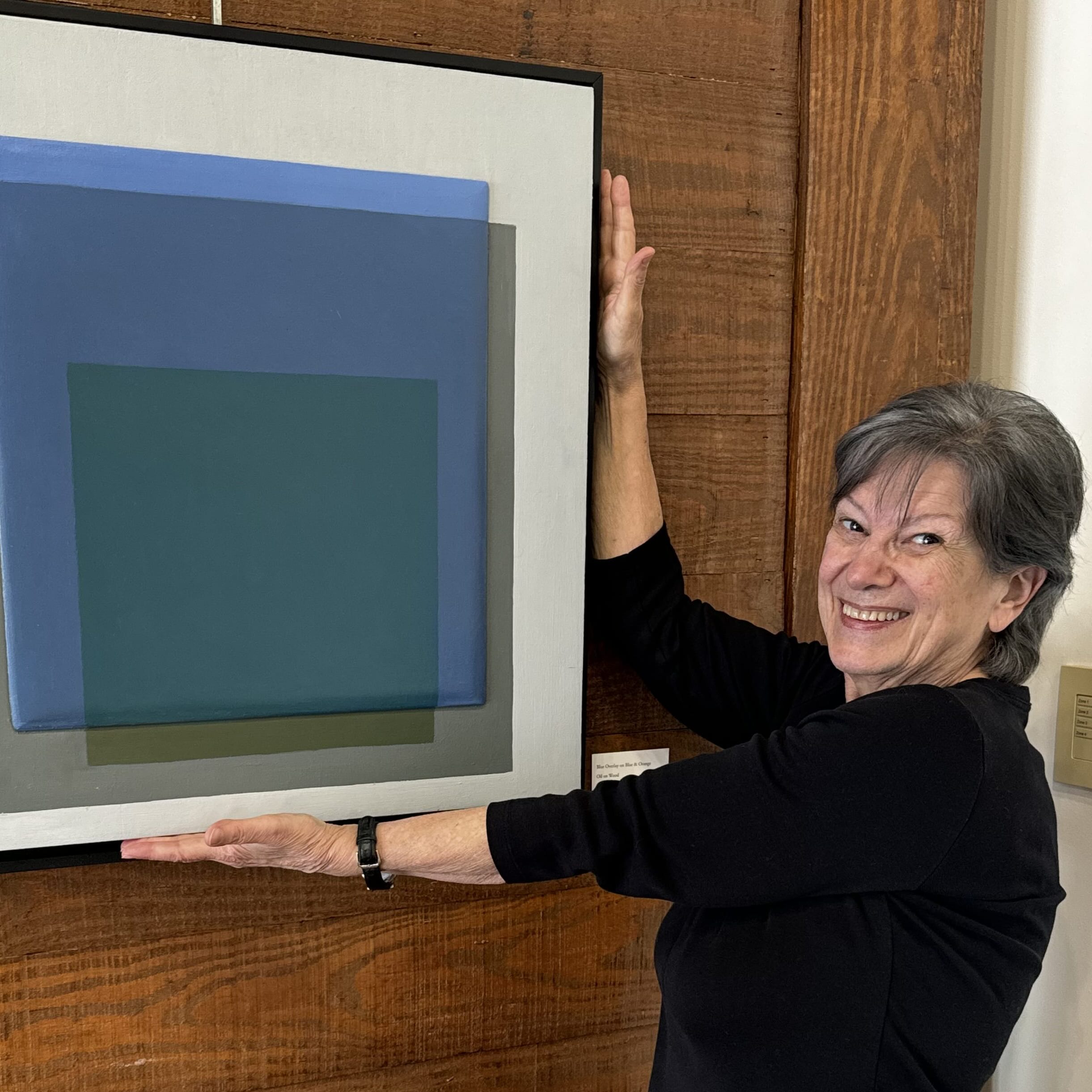
“It is such a gift to be able to see,” says corneal transplant recipient Kiki Karatheodoris, an artist from Tuscaloosa….
“It is such a gift to be able to see,” says corneal transplant recipient Kiki Karatheodoris, an artist from Tuscaloosa. A genetic condition caused Kiki’s vision to decline, making even simple tasks more challenging. Kiki is an artist who struggled to continue doing what she loved as her vision continued to fail. Kiki’s eyesight was […]
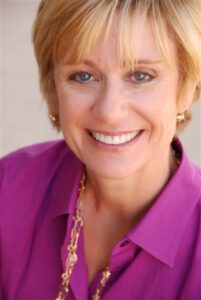
My name is Lynn Neillie and I have 20/20 eyesight–as a 68 year old! But prior to 2017, that was…
My name is Lynn Neillie and I have 20/20 eyesight–as a 68 year old! But prior to 2017, that was not my situation. I had Fuch’s dystrophy, a condition that would eventually cause diminishing (think grey, foggy) then zero eyesight—without a cornea transplant. Thankfully, I have had two wonderful doctors who knew the diagnosis of […]
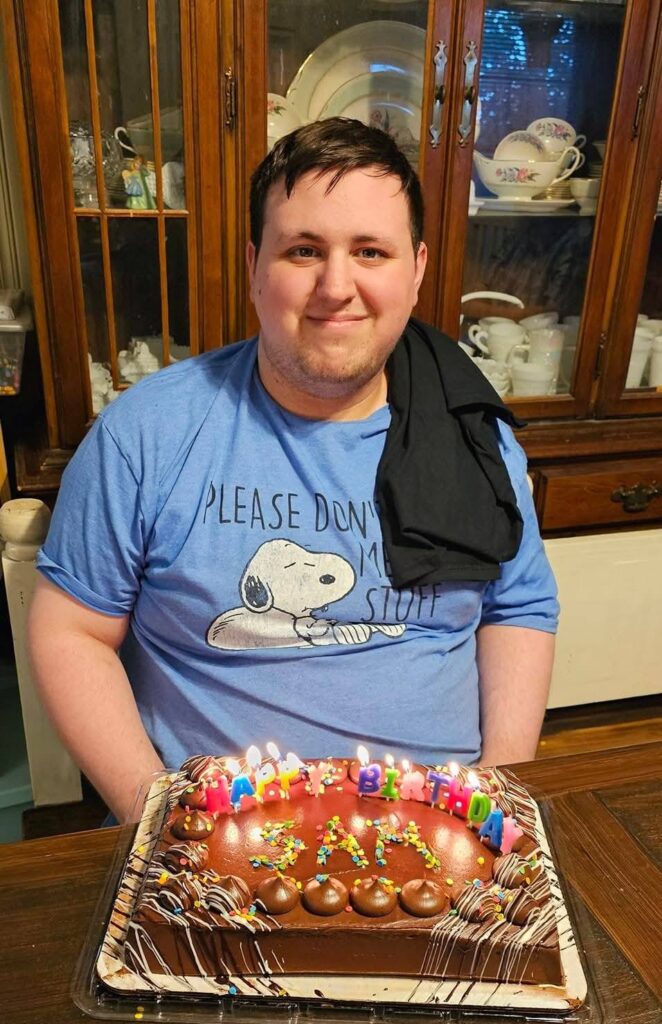
Sam was the oldest of our three boys. He was always the quiet one. He would have his head in…
Sam was the oldest of our three boys. He was always the quiet one. He would have his head in a book or two, reading all the time. A good fantasy story or a Star Wars game was never too good not to introduce to his brothers. He valued three things above all: His family, […]
On July 10th of 2018, our family’s world tilted on its axis and dumped us into the dark chasm of…
On July 10th of 2018, our family’s world tilted on its axis and dumped us into the dark chasm of unanticipated grief. My husband, John, was a perfectly healthy 59-year-old man—we were looking forward to empty nest take 2, retirement, mini-adventures over the weekends. He loved us so well. One of the things I always […]