


Become an Eye Donor
Stories of Impact
Greg McPhearson and Angel Higdon were high school sweethearts at Shades Valley High School in Birmingham, Alabama. They married in…
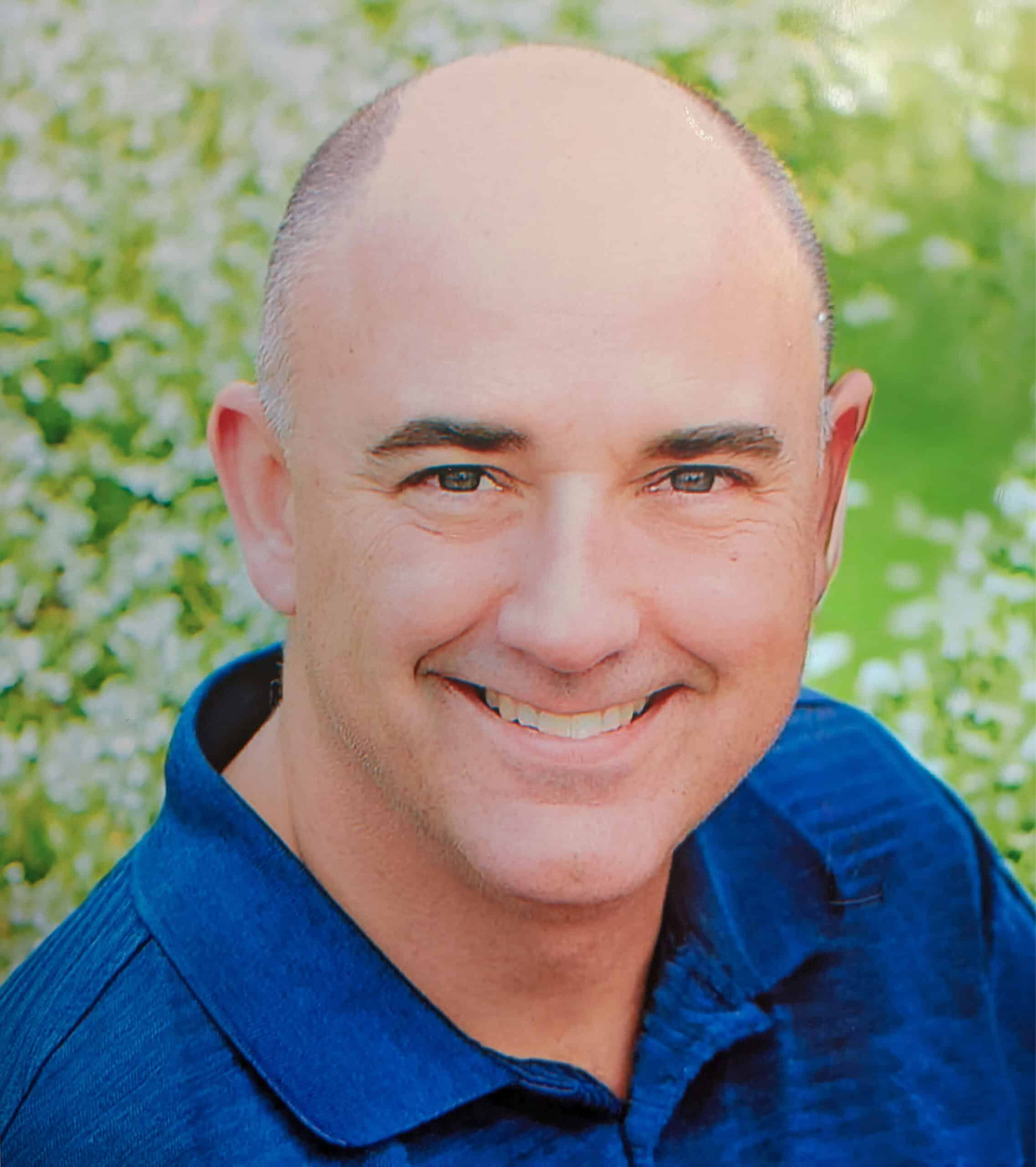
Greg McPhearson and Angel Higdon were high school sweethearts at Shades Valley High School in Birmingham, Alabama. They married in their early twenties and went on to have four children—Caroline, Ellie, John, and Adam. Together, they built a beautiful life, raising their children, spending time with family and friends, and being active in their community […]
Danny Rivers’ life has been rooted in his faith. He grew up in a church he loved and continued to…
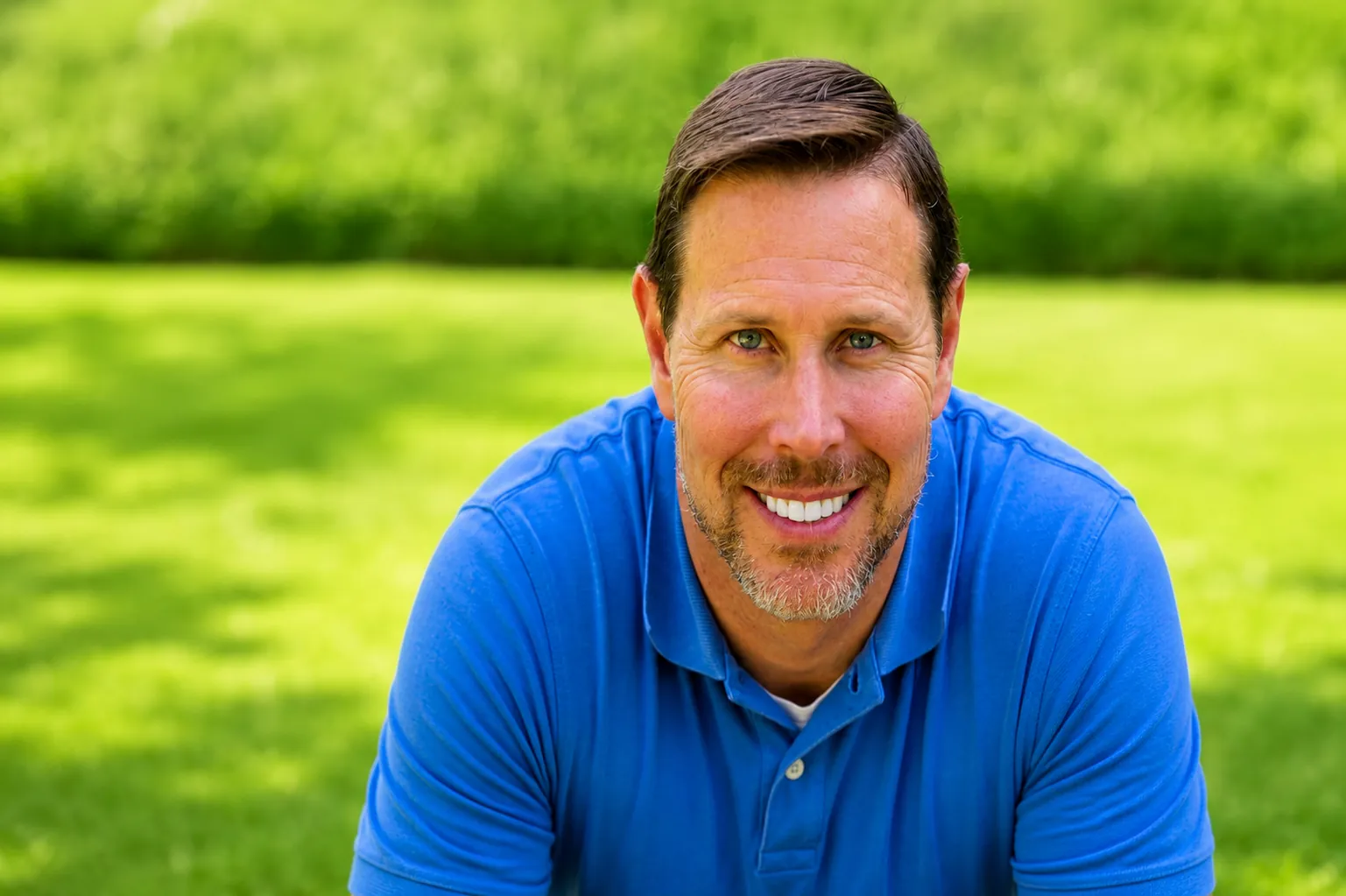
Danny Rivers’ life has been rooted in his faith. He grew up in a church he loved and continued to pursue his own spiritual journey throughout his life. His faith was tested, however, in 1994, when Danny was diagnosed with keratoconus during a routine eye doctor visit. He was only 18. Keratoconus is an eye […]
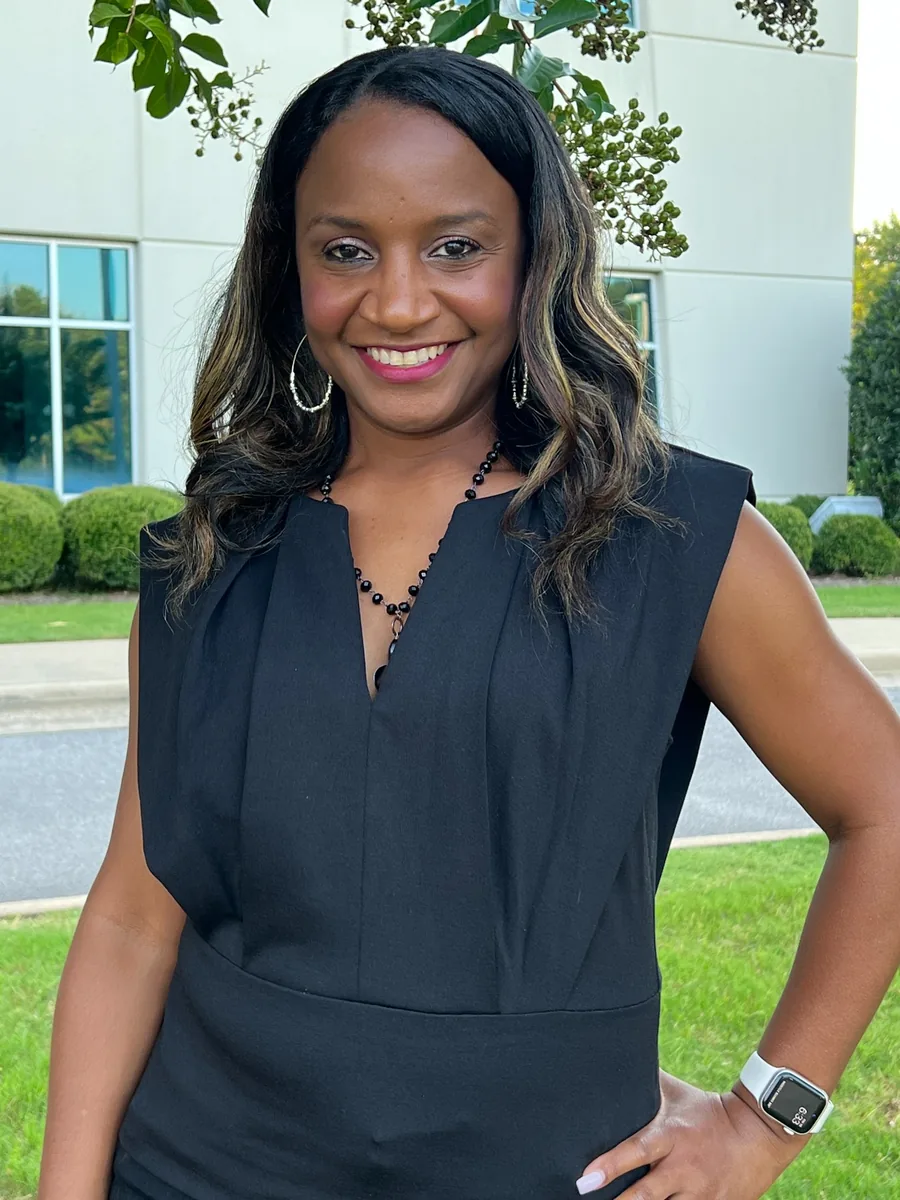
From the moment you meet Nikara McNeely, you are struck by her beautiful smile and personable spirit. A wife and…
From the moment you meet Nikara McNeely, you are struck by her beautiful smile and personable spirit. A wife and mother of two, Nikara also has a career she is deservedly proud of. She works for the Department of Homeland Security as a Legal Administrative Specialist after spending more than a decade with the Drug […]
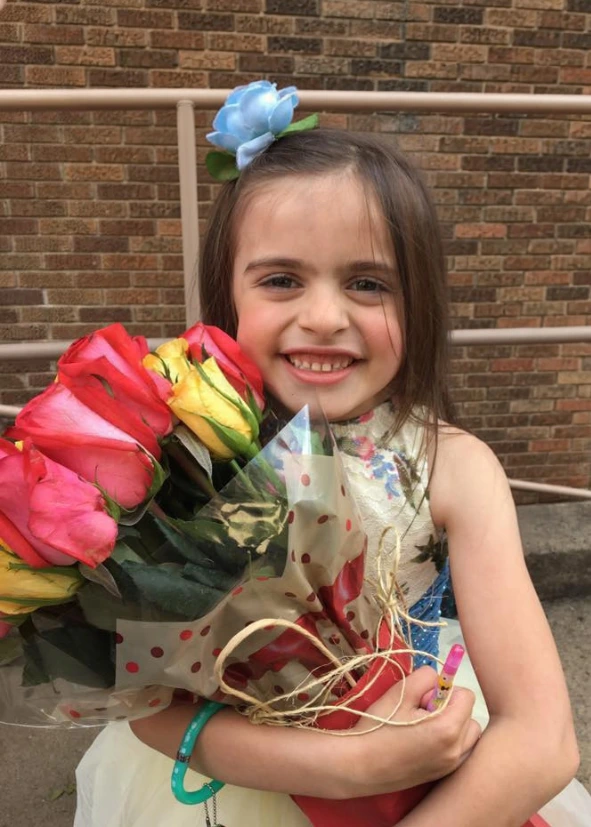
Emily Beyea was only 10 years old when she passed away. However, during her 10 years of life, Emily managed…
Emily Beyea was only 10 years old when she passed away. However, during her 10 years of life, Emily managed to spread a lifetime of love, caring, joy and silliness throughout her world. “She was a sassy, outspoken, beautiful activist, who saw the world as it should be… and saw the best in people,” says […]
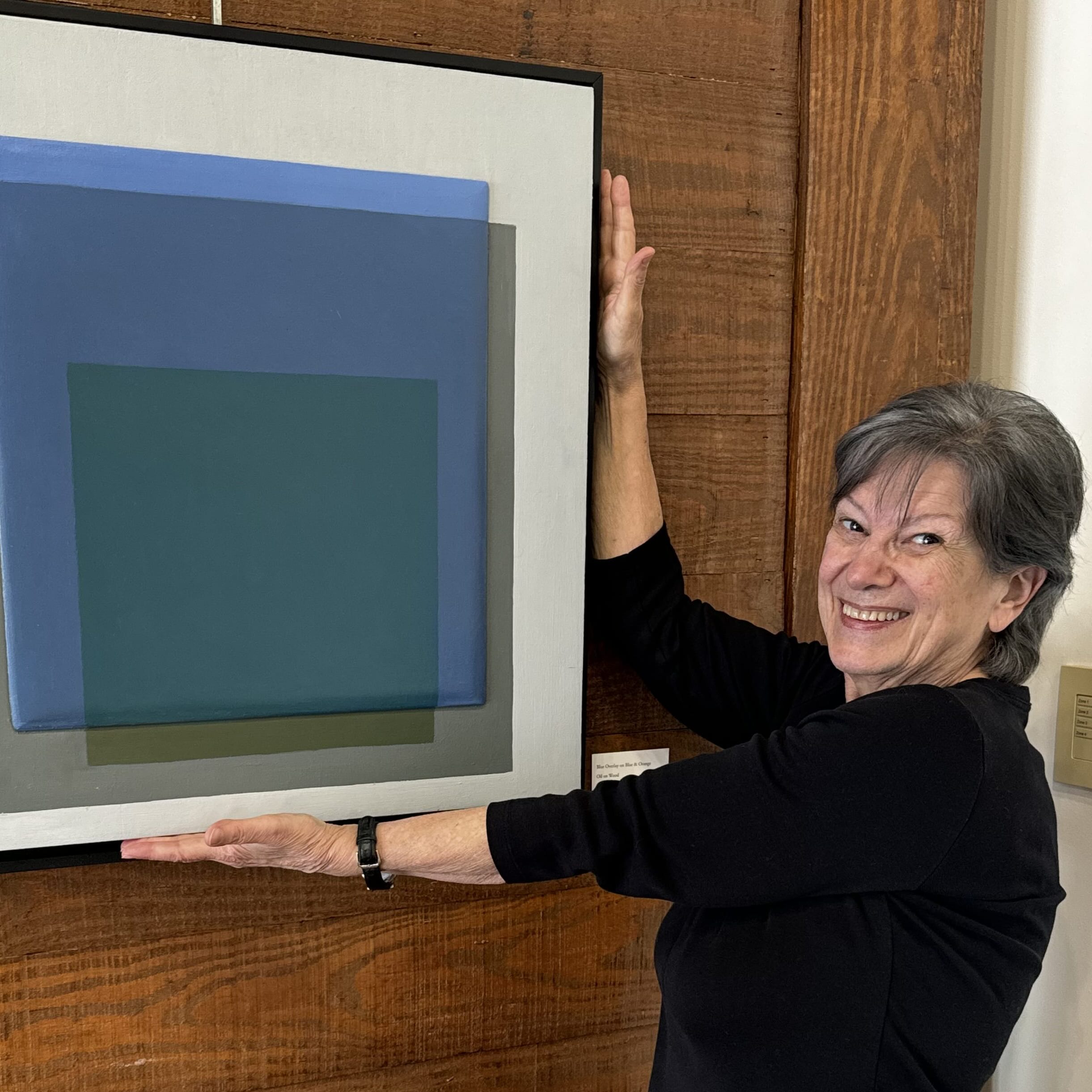
“It is such a gift to be able to see,” says corneal transplant recipient Kiki Karatheodoris, an artist from Tuscaloosa….
“It is such a gift to be able to see,” says corneal transplant recipient Kiki Karatheodoris, an artist from Tuscaloosa. A genetic condition caused Kiki’s vision to decline, making even simple tasks more challenging. Kiki is an artist who struggled to continue doing what she loved as her vision continued to fail. Kiki’s eyesight was […]
My name is Lynn Neillie and I have 20/20 eyesight–as a 68 year old! But prior to 2017, that was…
My name is Lynn Neillie and I have 20/20 eyesight–as a 68 year old! But prior to 2017, that was not my situation. I had Fuch’s dystrophy, a condition that would eventually cause diminishing (think grey, foggy) then zero eyesight—without a cornea transplant. Thankfully, I have had two wonderful doctors who knew the diagnosis of […]
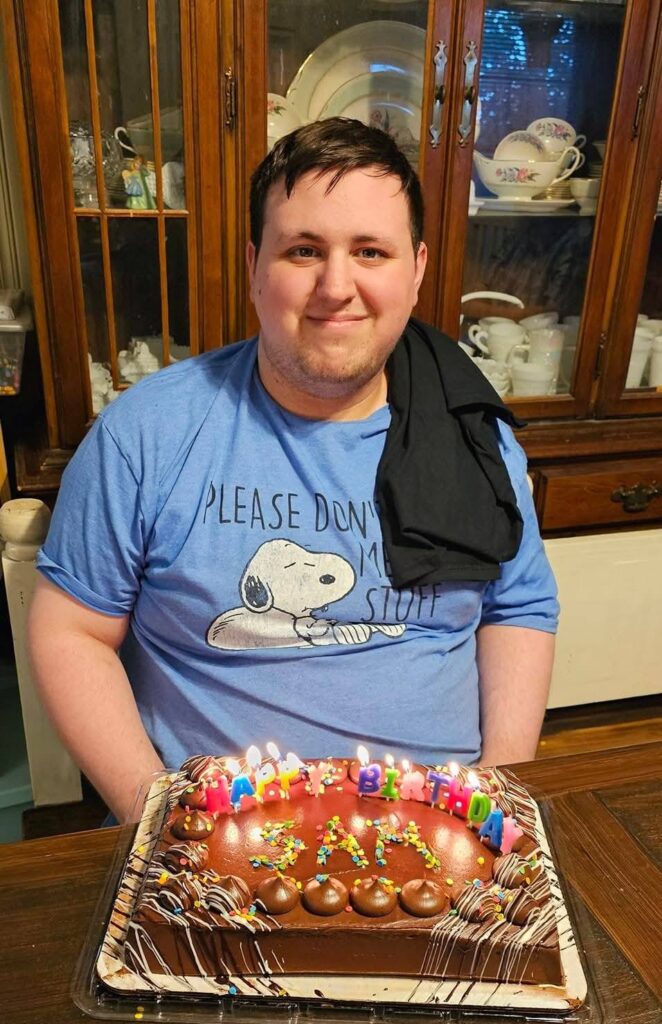
Sam was the oldest of our three boys. He was always the quiet one. He would have his head in…
Sam was the oldest of our three boys. He was always the quiet one. He would have his head in a book or two, reading all the time. A good fantasy story or a Star Wars game was never too good not to introduce to his brothers. He valued three things above all: His family, […]
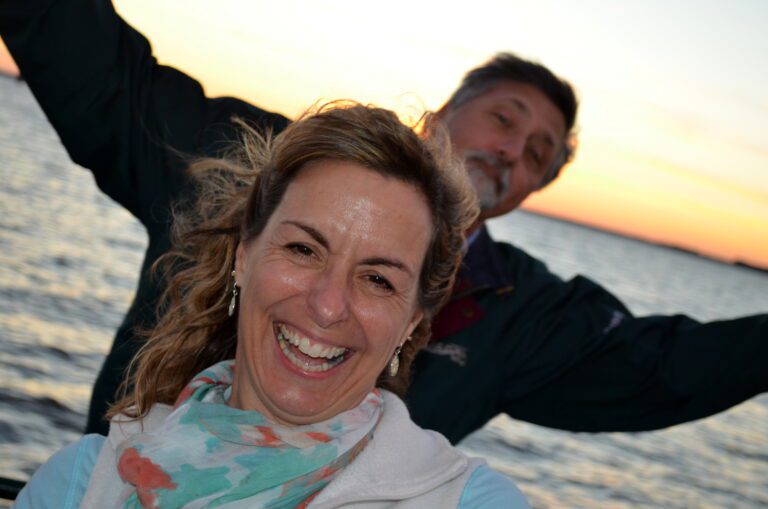
On July 10th of 2018, our family’s world tilted on its axis and dumped us into the dark chasm of…
On July 10th of 2018, our family’s world tilted on its axis and dumped us into the dark chasm of unanticipated grief. My husband, John, was a perfectly healthy 59-year-old man—we were looking forward to empty nest take 2, retirement, mini-adventures over the weekends. He loved us so well. One of the things I always […]
Donor Resources
Frequently Asked Questions
The cornea is the clear outer portion of the eye which can be surgically transplanted to restore a recipient’s sight.
Once you have registered to become a donor, the most important action you can take is to inform your family and / or your health care power of attorney of your decision.
Anyone. Cataracts, cancer, poor eyesight, or age may not prevent you from becoming a donor.
There is never any cost to the family for donation.
No. Corneal recovery is performed within hours after death. Great care is taken to preserve the appearance of our donors so families may proceed normally with funeral arrangements.
Most major religions support donation as a compassionate act.
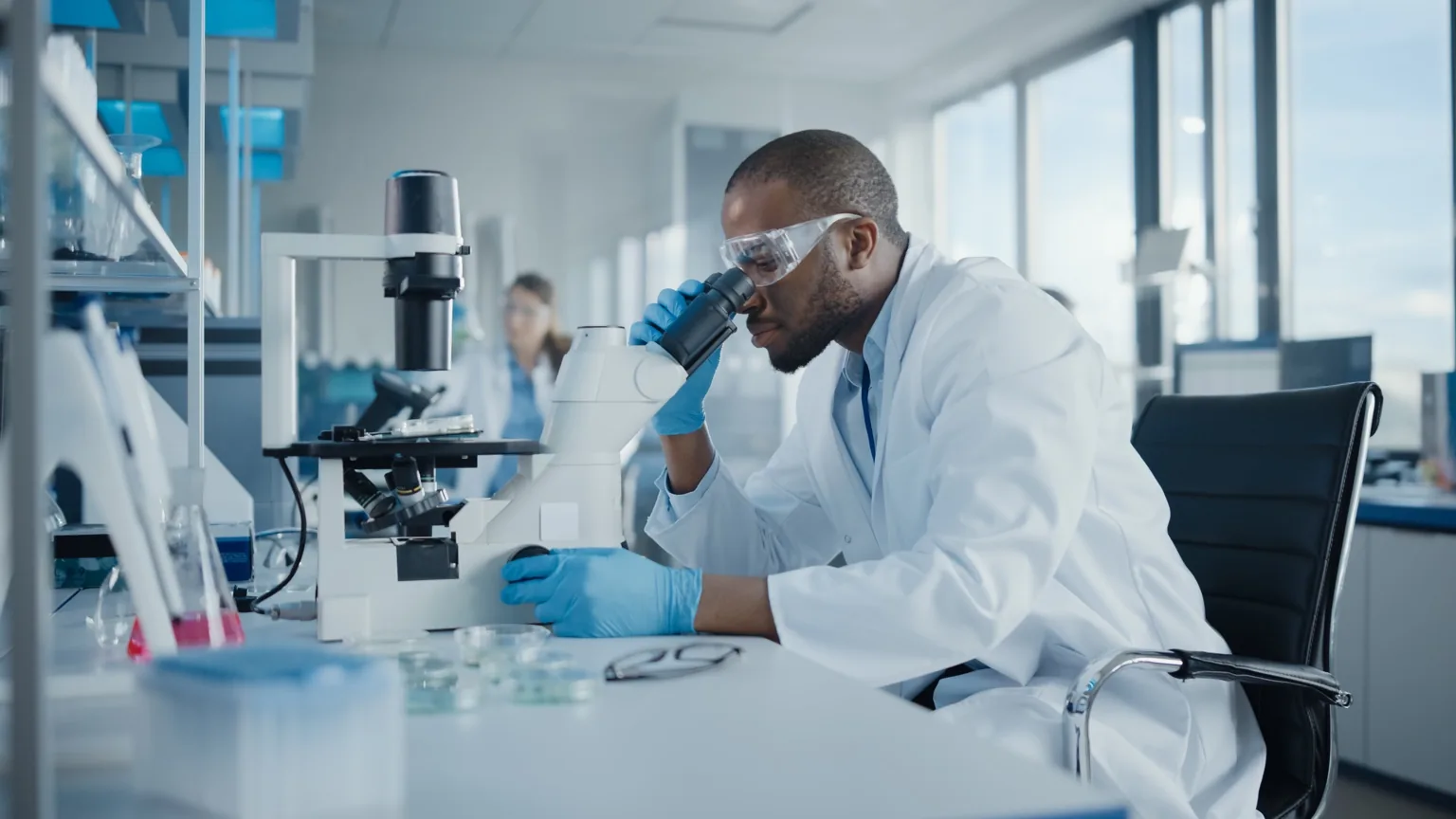
Research helps with the prevention and treatment of various eye diseases such as glaucoma, retinal diseases, eye complications from diabetes, and other sight disorders.
All donors are carefully evaluated. Should the corneas be determined unsuitable for transplant, they can be used for research and/or education.
There are three simple ways to become a donor:
- Sign up at the Department of Motor Vehicles and put the heart on your license.
- Go to registerme.org, or your individual state’s registry page, and sign up to be a donor.
- Indicate your wishes in advance directives.
It is also important that you share your wishes with your family, so they are aware of your desire to help others through eye, organ and tissue donation.
Generally, no. The gift of sight is made anonymously. Information about the donor or donor family is not made available to the donor family. However, donor families have opportunities to share stories about their loved ones. And with permission, recipients often write notes of gratitude to share with the donor families.